Address:
North Of Anxia Village, Zhengding County, Shijiazhuang City, Hebei, China.

The wellness industry is constantly evolving, and as consumers increasingly seek out alternatives to traditional pills and capsules, the market for wearable supplements has exploded. Among the most popular of these innovations is the vitamin B12 patch. Marketed as a convenient, stomach-friendly way to boost energy and support overall wellness, these small adhesive squares have captured the attention of health-conscious individuals and forward-thinking supplement brands alike.
But as with any rapidly growing wellness trend, important questions arise. Are vitamin B12 patches safe and effective? Do they actually deliver vitamins through the skin, and how do they compare to traditional oral supplements?
Whether you are a consumer trying to understand the science behind transdermal delivery, or a wellness brand looking for a reliable OEM manufacturer to develop your own private label vitamin patch, separating marketing claims from scientific reality is essential. In this comprehensive guide, we will explore the mechanisms of transdermal B12 patches, objectively review their efficacy and safety, and provide an inside look into how leading wellness brands manufacture these products.
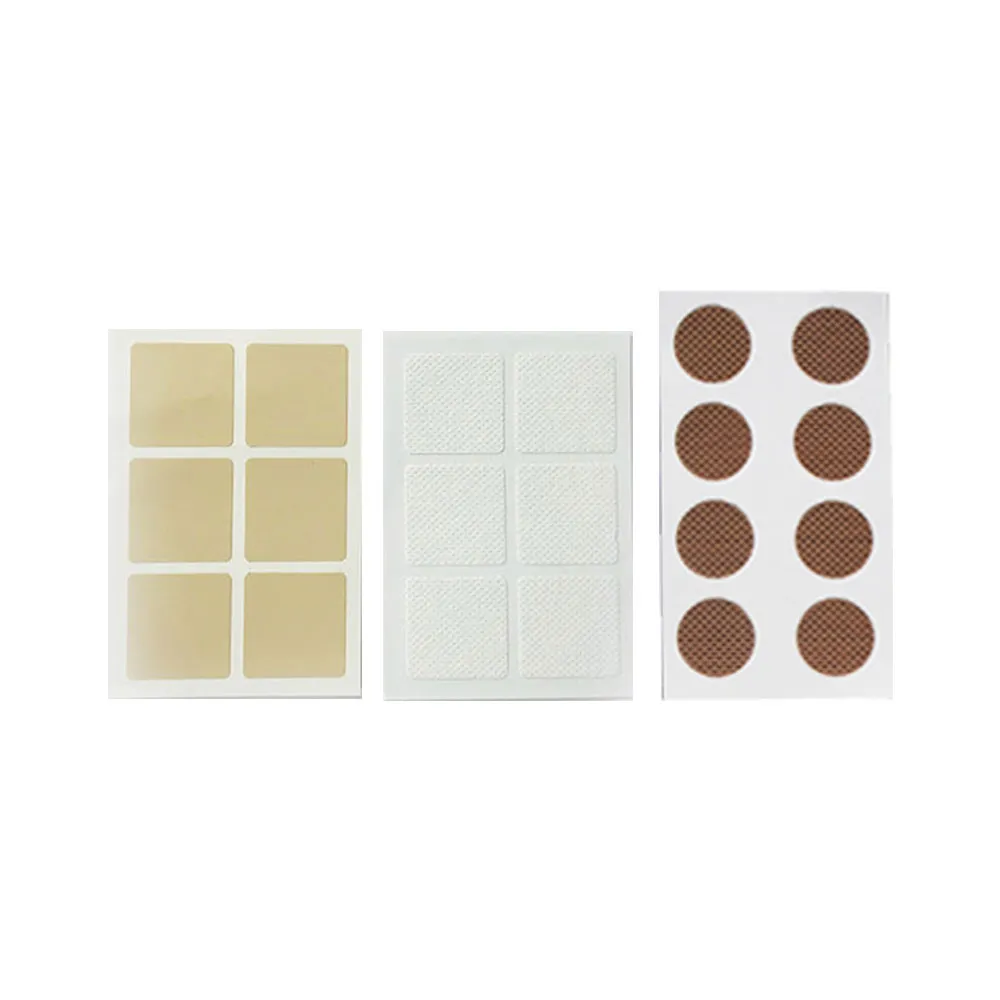
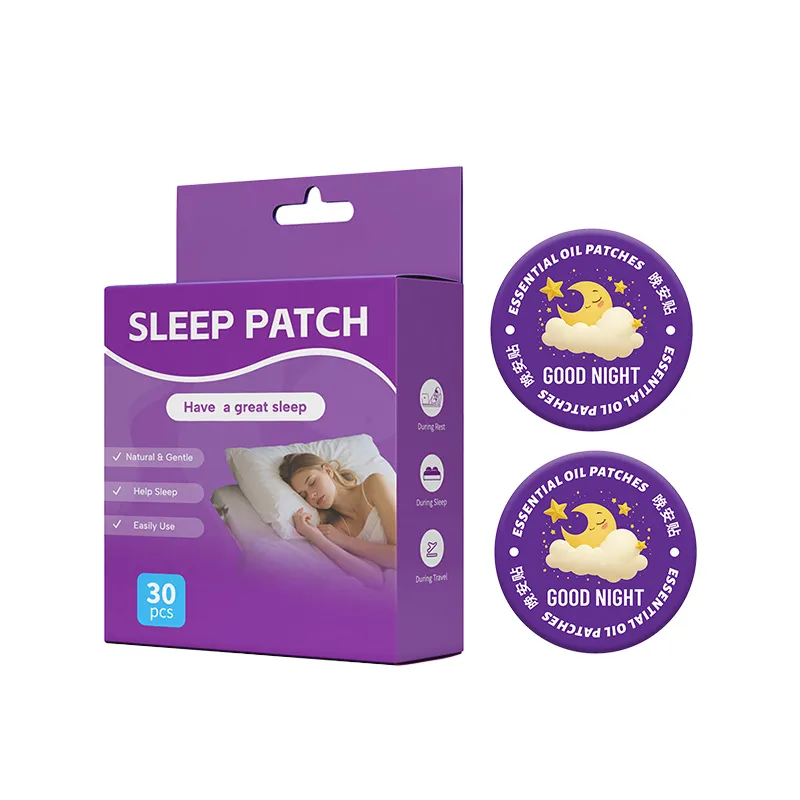
At their core, vitamin B12 patches are wearable transdermal wellness products designed to deliver vitamin B12 through skin contact over a sustained period. Instead of swallowing a capsule or receiving an injection, users simply apply an adhesive patch to their skin, typically leaving it on for up to 24 hours.
These products are heavily marketed toward specific demographics that stand to benefit most from non-oral supplement formats. This includes people who actively dislike or have difficulty swallowing pills (dysphagia), bariatric surgery patients who have altered gastrointestinal absorption, frequent travelers looking for portable wellness solutions, older adults, and general consumers seeking energy-support supplements without the jittery effects of energy drinks.
It is important to understand how these products are classified. In the vast majority of markets, vitamin B12 patches fall under the dietary supplement category or the wellness patch category. They are non-prescription transdermal products, meaning they are designed for general wellness support rather than the treatment or cure of severe medical deficiencies.
The fundamental concept behind any transdermal patch is that the skin, while acting primarily as a protective barrier, can absorb certain substances under the right conditions.
When a vitamin B12 patch is applied to the skin, an advanced medical-grade adhesive layer keeps the patch securely attached. The active ingredients—in this case, forms of vitamin B12 such as cyanocobalamin or methylcobalamin—are embedded within a specialized matrix or reservoir. Once in contact with the warmth and natural moisture of the skin, these ingredients are intended to release gradually over several hours, moving through the epidermal layers.
However, the technology used can vary significantly between products. Some of the most common patch delivery systems include:
Hydrogel Patches: Utilize a high-water-content polymer network that can help hydrate the skin and potentially facilitate the transfer of water-soluble vitamins.
Matrix Patches: The vitamin is uniformly suspended within the adhesive layer itself, offering a thin, discreet profile.
Herbal-Vitamin Combinations: Patches that combine B12 with natural botanical extracts to create a synergistic wellness effect.
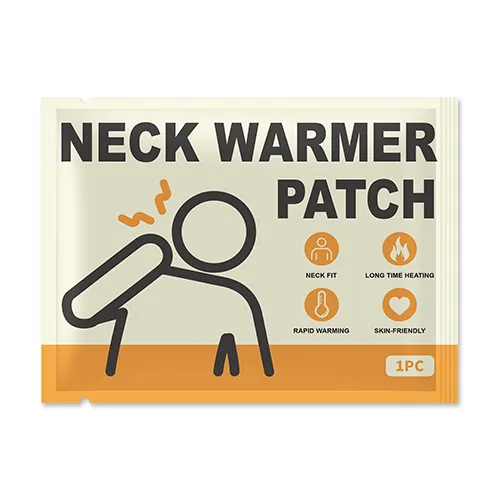
Warming Transdermal Patches: Utilize mild, self-heating elements to stimulate local blood circulation, which some manufacturers suggest may aid in the absorption process.
When evaluating the effectiveness of transdermal vitamins, it is crucial to maintain an objective, scientifically grounded perspective.
Some vitamin patch brands confidently claim that their patches provide a direct, superior alternative to oral supplements by bypassing the digestive system entirely. However, according to current scientific consensus, the evidence supporting transdermal vitamin B12 remains limited compared with traditional oral or injectable B12 supplementation.
Several small-scale studies and dermatological reviews suggest that transdermal vitamin absorption is not a guaranteed process. Instead, it varies wildly depending on several factors, including the specific ingredient formulation, the molecular size of the nutrient, the individual user's skin permeability, and the recommended wear duration. While some studies have shown an increase in serum B12 levels in patients using patches, large-scale, peer-reviewed clinical trials are still needed to universally validate these claims.
To understand the debate surrounding effectiveness, one must look at human biology. The human skin is an evolutionary marvel designed specifically to block foreign substances, pathogens, and chemicals from entering the bloodstream.
Consequently, not all vitamins are ideal candidates for transdermal delivery. For a molecule to easily pass through the stratum corneum (the outermost layer of skin), it generally needs to be small (under 500 Daltons) and possess specific lipid-soluble characteristics. Vitamin B12 molecules are relatively large—often exceeding 1,300 Daltons—which creates a natural biological hurdle. This large molecular size may significantly affect absorption efficiency, which is why vitamin patch manufacturers often invest heavily in permeation enhancers to assist the delivery process.
Despite the ongoing scientific debates, the market for vitamin B12 patches continues to grow at an unprecedented rate. This is because consumer preference is driven by more than just clinical trial data.
Consumers actively prefer B12 patches because they offer convenient daily use and completely eliminate the need for swallowing large tablets or chalky powders. They represent a highly portable wellness format that can be easily packed in a carry-on bag or gym tote. Furthermore, the concept of a gradual, sustained release over 12 to 24 hours is highly appealing to users who want steady energy support throughout the day. It is vital for brands to recognize that consumer preference ≠ clinically proven superiority, but rather a desire for alternative lifestyle wellness tools.
| Format | Convenience | Absorption Reliability | Usage Preference |
| B12 Patch | High (Apply and forget) | Variable (Depends on skin/formulation) | Wellness consumers, bariatric patients |
| Oral B12 Tablets | High (Easy to consume) | Well established (Clinically verified) | Mainstream supplement users |
| B12 Injection | Lower (Requires medical visit) | High (Direct into bloodstream) | Clinical settings, severe deficiency |
Generally speaking, vitamin B12 patches are considered safe for the vast majority of the population. Because most products are designed for external use only, the risk of systemic overdose is incredibly low.
However, safety considerations primarily revolve around dermatological reactions. The most common side effects reported by users include mild skin irritation, redness, or itching at the application site. This is often an adhesive allergy (contact dermatitis) rather than a reaction to the vitamin itself. Prolonged wear discomfort can also occur if the user fails to rotate patch placement locations daily.
Because these products sit closely against the skin for extended periods, manufacturing quality is paramount. A poorly manufactured patch can lead to severe skin irritation, poor adhesion, or degraded ingredients that offer zero wellness benefits.
High-quality OEM manufacturers prioritize rigorous safety protocols, including meticulous ingredient sourcing, the use of hypoallergenic medical-grade adhesives, and strict cleanroom production environments. Furthermore, reputable factories conduct extensive heavy metal testing, microbial testing, and stability testing to ensure the product remains safe and effective throughout its entire shelf life.
| Quality Factor | Why It Matters for Brand Safety |
| ISO13485 Manufacturing | Ensures medical-grade production control and standardized safety procedures. |
| FDA Registration | Demonstrates facility compliance, crucial for the US export market. |
| Skin Compatibility Testing | Drastically reduces the risk of customer complaints regarding skin irritation. |
| Stability Testing | Guarantees shelf-life reliability, ensuring the B12 does not degrade over time. |
| Cleanroom Production | Prevents cross-contamination and microbial growth during the coating process. |
A common point of confusion for consumers is regulatory approval. Most vitamin B12 patches are marketed as dietary supplements or wellness products rather than FDA-approved drugs. Therefore, the FDA does not "approve" vitamin patches for the treatment of diseases before they go to market.
However, while the product itself may not carry FDA drug approval, responsible brands ensure their manufacturing facilities still operate under FDA registration and adhere to strict international quality systems (like Current Good Manufacturing Practices - cGMP).
For a patch to have the best chance at adhering properly and delivering its ingredients, placement is key.
Most major wellness brands recommend applying B12 patches to areas of the body that are relatively flat and do not experience excessive skin folding. The most commonly recommended placement areas include:
The upper arm
The outer shoulder
The upper back or shoulder blade
The hip or lower abdomen
Any area of hair-free skin
The golden rule for patch application is that the skin must be clean, dry, and located in a low-friction area to prevent clothing from rubbing the patch off.
To maximize wear time and comfort, users should follow these best practices:
Avoid oily skin: Do not apply heavy lotions, sunscreens, or body oils to the area before applying the patch.
Avoid damaged skin: Never apply a patch over cuts, scrapes, rashes, or irritated skin.
Avoid excessive movement areas: Keep patches away from joints like elbows or knees.
Press patch firmly: After application, press the patch firmly against the skin with the palm of your hand for 10-15 seconds to activate the pressure-sensitive adhesive.
Follow wear-time instructions: Most patches should be removed after 12 to 24 hours.
Some manufacturers suggest that placement may indeed influence both adhesion longevity and user comfort. Areas with a thinner stratum corneum and higher capillary density might theoretically support better absorption. However, objective clinical evidence comparing the pharmacokinetic absorption rates of B12 patches across different bodily placement areas remains very limited.
The global wellness market is undergoing a structural shift. Brands are looking beyond traditional capsules and gummies to find the next generation of supplement alternatives. Wearable wellness products, including vitamin B12 patches, represent a massive growth opportunity.
They cater perfectly to the demand for travel-friendly wellness solutions, allowing consumers to maintain their routines on the go. Furthermore, we are seeing a massive trend in beauty & wellness integration, where patches are utilized not just for energy, but for skin health, hydration, and anti-aging support. They are the ultimate convenient daily-use products.
Brands expanding into transdermal vitamins are targeting highly lucrative consumer segments. This includes busy professionals looking for sustained energy without the crash of coffee, and fitness consumers seeking recovery support. General supplement users experiencing pill fatigue are a major target, alongside the rapidly growing bariatric wellness market. Additionally, wellness subscription brands and beauty-from-within brands are heavily integrating patches into their monthly box offerings.
For a brand looking to launch a vitamin B12 patch, partnering with the right OEM manufacturer is the most critical step. Here is how modern brands bring these products to market.
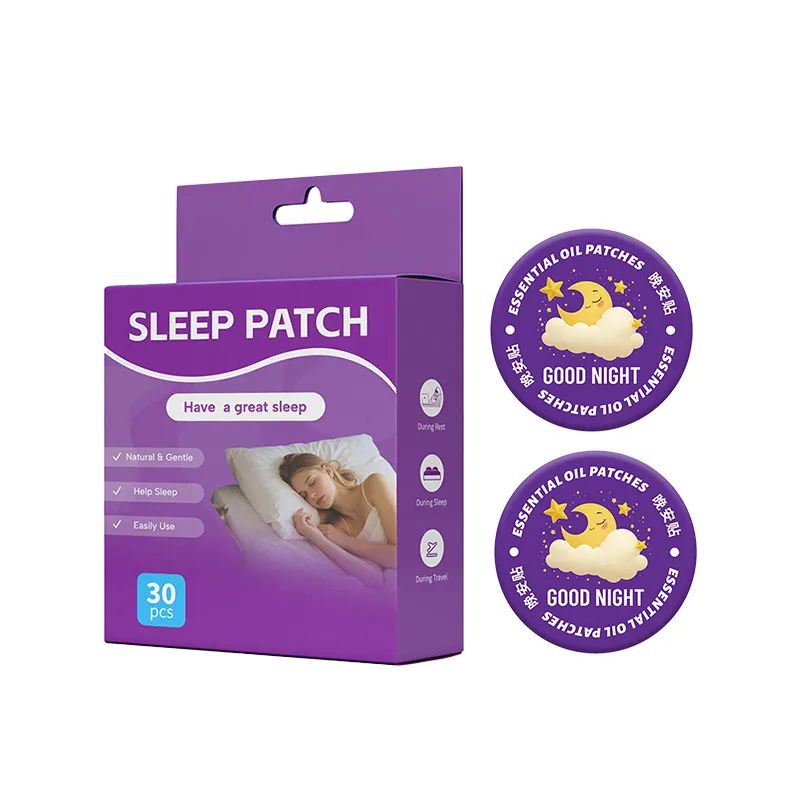
Before manufacturing begins, the brand must determine the patch's core purpose. Common formulation directions include pure energy support (B12 + Caffeine), beauty wellness (B12 + Biotin), daily vitamin support (Multivitamin matrices), travel wellness (immune-supporting blends), and sleep & recovery combinations.
Once the positioning is set, the brand selects the appropriate delivery system. Options include high-moisture hydrogel systems, specialized herbal-vitamin patches, warming wellness patches for dual-action relief, and ultra-thin breathable adhesive systems designed for active lifestyles.
A top-tier manufacturing partner will offer deep OEM customization. This includes custom packaging design, multilingual labeling for global distribution, customized patch sizes and shapes, unique ingredient combinations, and Amazon-ready packaging (FBA compliant). Flexible manufacturers will also offer low MOQ (Minimum Order Quantity) options to help startups test the market.
When it comes to scaling production, global supplement and wellness brands overwhelmingly look to China for their manufacturing needs. This is driven by several distinct supply chain advantages.
China boasts a mature patch manufacturing ecosystem that has been perfecting transdermal and hydrogel technologies for decades. This allows for highly scalable OEM production, where a brand can seamlessly grow from a 10,000-unit pilot run to a multi-million-unit international rollout. Furthermore, the integration of packaging facilities alongside raw material sourcing allows for rapid product development and highly cost-effective manufacturing, giving Western brands a significant competitive edge in retail pricing.
If your brand is ready to capitalize on the wearable wellness trend, partnering with an industry leader is essential.
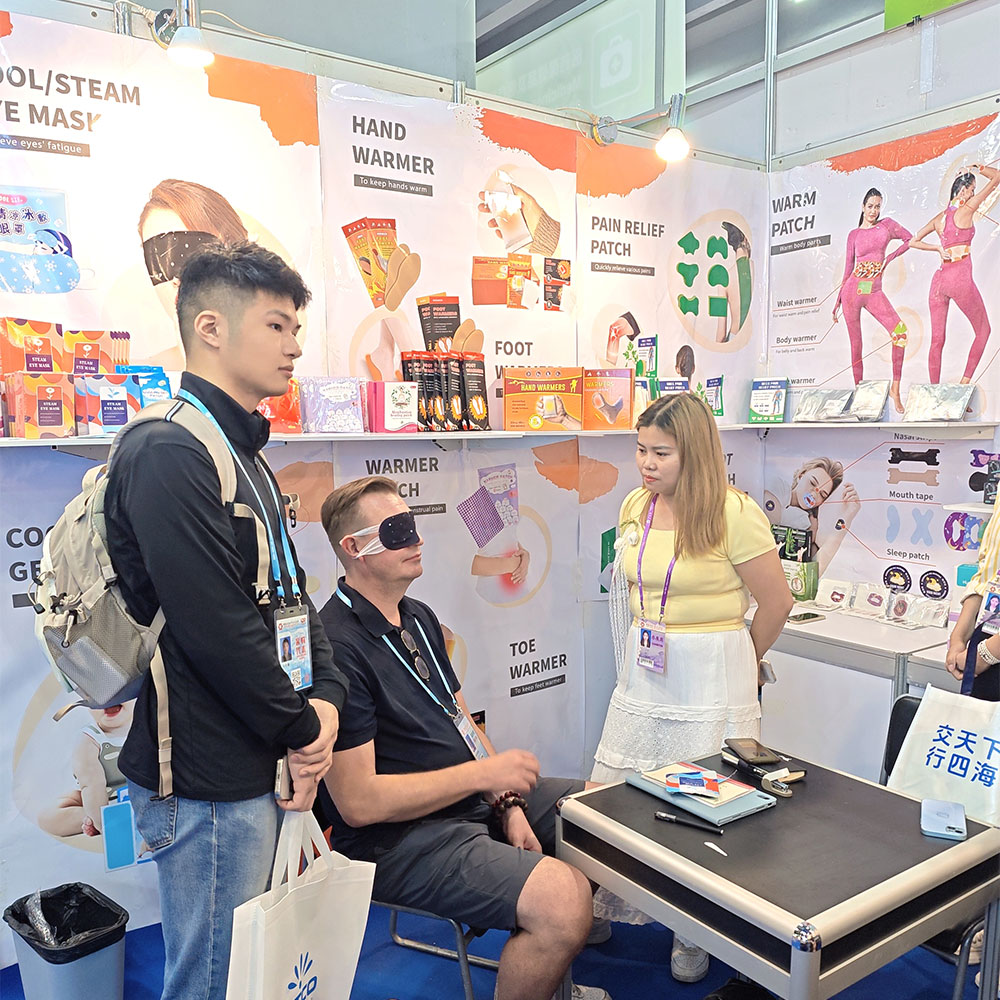
Hebei Feifan Biotechnology Co., Ltd., founded in 2015, specializes in the research, development, and mass production of self-heating products and medical-grade patch manufacturing for global wellness and healthcare brands.
We operate world-class infrastructure designed to meet the strictest international regulatory standards. Our 20,000+㎡ manufacturing facilities include 5,000㎡ of sterile cleanroom workshops. With nearly 100 automated production lines, Feifan Patch proudly supports full OEM and private label production for wearable wellness and patch-based product categories.
| Capability | Details |
| Founded | 2015 |
| Factory Area | 20,000+㎡ |
| Cleanroom Workshops | 5,000㎡ (Ensuring contamination-free production) |
| Production Lines | Nearly 100 automated systems |
| Certifications | ISO9001, ISO13485, FDA Registered, CE |
| OEM Services | Full end-to-end customization |
| Export Markets | Trusted by brands in 30+ countries |
We do more than manufacture; we help you build a compliant, market-ready brand. Our complete OEM & Private Label Support includes custom formulations tailored to your exact specifications, professional packaging design, and premium patch material selection. We also provide logo printing directly on the patch, multilingual manuals, comprehensive export documentation, and dedicated Amazon FBA support to streamline your logistics.
Looking to develop your own vitamin or wellness patch line?
Feifan Patch provides OEM and private label manufacturing support for global wellness, supplement, and healthcare brands.
Need a certified patch manufacturer for wearable wellness products?
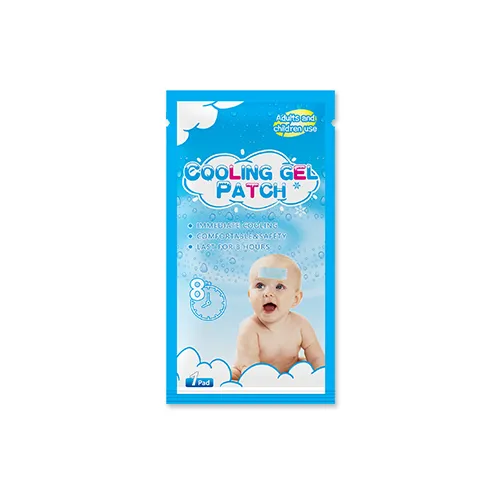
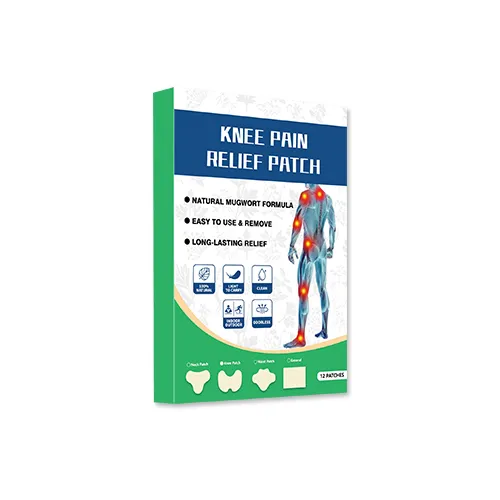
Explore customized solutions for vitamin patches, herbal wellness patches, energy patches, and warming and cooling patches.
Contact Feifan Patch today to request samples, discuss formulations, or develop your customized wellness patch solutions.