

Address:
North Of Anxia Village, Zhengding County, Shijiazhuang City, Hebei, China.

The wellness and dietary supplement market is undergoing a massive transformation. Consumers are increasingly experiencing "pill fatigue," leading to a surge in alternative delivery methods. Among the most popular innovations are transdermal patches—specifically vitamin patches and energy patches. You see them heavily promoted on TikTok, Amazon, and wellness blogs, promising an easy, discreet way to absorb essential nutrients or get a quick energy boost without swallowing a single capsule.
But from a clinical and manufacturing standpoint, the most critical questions remain: Do vitamin patches really work? Do energy patches actually deliver on their promises?
For consumers, understanding the science behind transdermal delivery is vital for making informed health decisions. For brand owners, cross-border e-commerce sellers, and medical procurement teams, understanding the technological limitations and manufacturing requirements is the difference between launching a successful, compliant product and facing a costly market failure.
In this comprehensive guide, we will explore the mechanisms of transdermal absorption, dissect the medical consensus on patch effectiveness, and explain why partnering with an expert transdermal patch manufacturer is the only way to guarantee product quality.
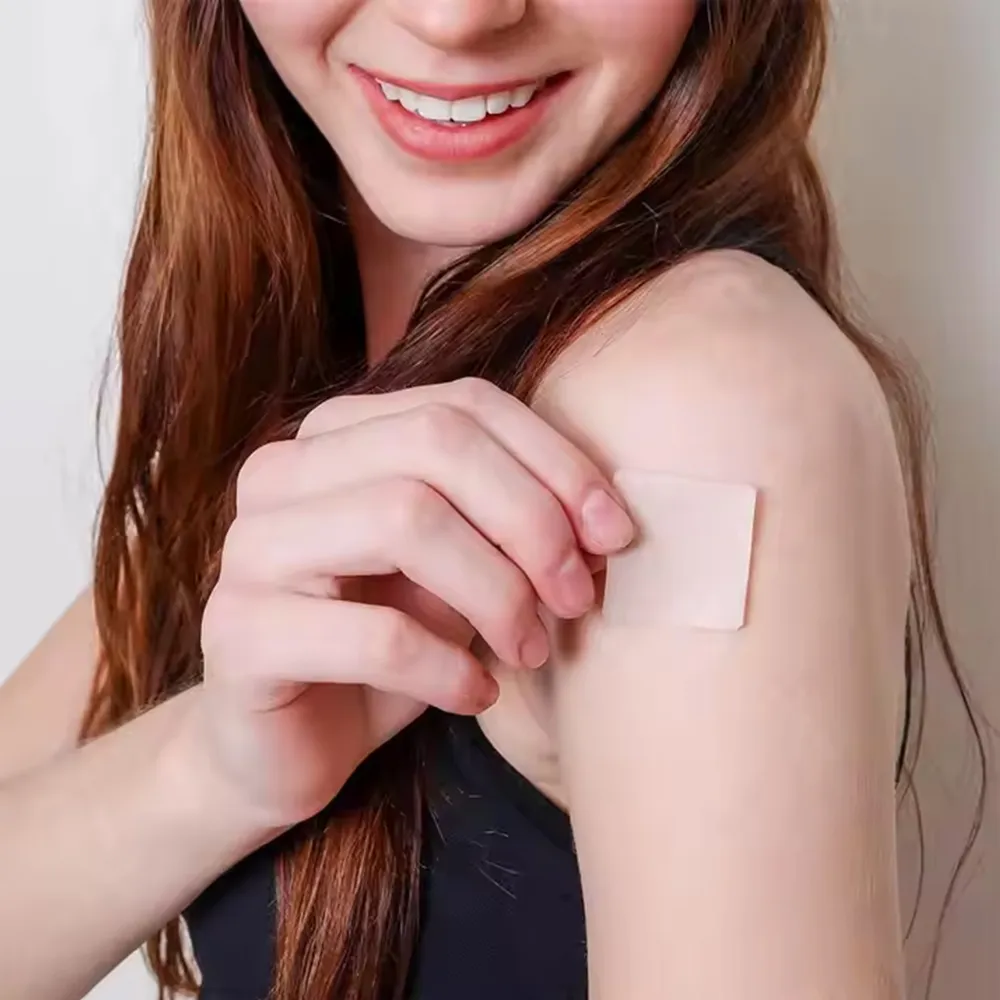
At their core, vitamin patches and energy patches are consumer-grade adaptations of a transdermal delivery system. The concept itself is not new. The medical industry has successfully utilized transdermal patches for decades—most notably with nicotine patches for smoking cessation, motion sickness patches (scopolamine), and localized pain relief patches.
These patches are designed to deliver active ingredients through the skin barrier and directly into the bloodstream, bypassing the digestive system entirely. However, as this technology transitioned into the consumer health market, it diversified rapidly. Today, the market is primarily segmented into two distinct categories:
Vitamin Delivery Patches: Formulated to deliver micronutrients such as Vitamin B12, Vitamin D, Vitamin C, and various multivitamin complexes. They are marketed as alternatives to daily oral supplements.
Energy and Stimulant Patches: Formulated with active stimulating ingredients like caffeine, green tea extract, ginseng, and other herbal blends. They are designed to provide a sustained feeling of alertness and vitality.
While these products are experiencing explosive growth in the consumer health sector, the technological pathways and formulation difficulties vary significantly between categories.
| Patch Type | Typical Ingredients | Primary Use Case | Manufacturing & Formulation Difficulty |
| Vitamin Patch | B12, Vitamin D, Multivitamins | Nutritional supplementation | High (Large molecules are hard to pass through the skin) |
| Energy Patch | Caffeine, Ginseng, Herbal extracts | Mild stimulation / Alertness | Medium (Requires careful controlled-release formulation) |
| Pain Relief Patch | Menthol, Capsaicin, Herbal blends | Localized muscle/joint relief | Medium (Standardized carrier matrices available) |
| Heating Patch | Iron powder, Activated carbon | Warming therapy / Cramp relief | Mature (Relies on controlled oxidation, highly scalable) |
When addressing the question of vitamin patch effectiveness, we must separate marketing claims from physiological reality. The human skin is an incredible organ, but its primary evolutionary function is to keep foreign substances out, not to let them in.
The primary barrier to transdermal absorption is the stratum corneum, the outermost layer of the epidermis. This layer is highly lipophilic (fat-loving) and exceptionally dense. For a molecule to successfully pass through the skin and enter the bloodstream, it generally needs to be small (typically under 500 Daltons) and possess specific lipophilic properties.
Herein lies the fundamental challenge with vitamin patches: Many essential vitamins and minerals are simply too large or too water-soluble to effectively penetrate the skin barrier without aggressive chemical enhancers. For example, Vitamin B12 is a massive molecule (over 1,300 Daltons). The idea that a standard adhesive patch can deliver a clinically significant dose of B12 through passive diffusion is met with heavy skepticism by dermatologists and pharmacologists.
Existing scientific studies and clinical trials have shown that:
Absorption Rates are Highly Unstable: The amount of vitamin absorbed can vary wildly depending on the patch's formulation.
Extreme Individual Differences: Factors such as skin thickness, hydration levels, body temperature, and body fat percentage drastically alter absorption rates from person to person.
Inequivalence to Oral Dosing: It is exceptionally difficult for a patch to achieve the same systemic blood concentration of a vitamin as a high-quality oral supplement.
"Evidence remains limited for reliable nutritional delivery via patches. While certain small-molecule drugs work beautifully in transdermal formats, the broad application of large-molecule vitamins via consumer patches lacks robust clinical validation." — General Medical Consensus
Ultimately, vitamin patches are not fully equivalent to oral supplements in clinical absorption performance. Their effectiveness depends heavily on cutting-edge formulation technology, the use of safe skin permeability enhancers, and meticulous manufacturing standards.
If you search the internet, you will frequently encounter terms like "patch aid vitamins" or "bariatric vitamin patches." These terms have gained traction, particularly among individuals who have undergone gastric bypass surgery and struggle to absorb nutrients through their modified digestive tracts. But do they work for actual medical deficiencies?
From a B2B and clinical perspective, "patch aid vitamins" is largely a marketing terminology rather than a recognized medical classification. When evaluated in strict medical scenarios (such as treating severe anemia or post-bariatric surgery malabsorption), patches have not completely replaced oral supplements or intravenous (IV) therapies.
The primary medical concerns include:
Dosage Control: Doctors cannot precisely measure how much of the active ingredient is actually entering the patient's bloodstream.
Release Stability: Ensuring a steady, predictable release of vitamins over a 12-to-24-hour period requires complex, medical-grade matrix adhesives that many consumer brands do not invest in.
Limited Clinical Data: There are not enough large-scale, peer-reviewed clinical trials proving that patches can cure severe vitamin deficiencies.
Therefore, vitamin patches should be firmly categorized within the wellness, lifestyle, and dietary supplement category, NOT as a primary medical treatment for diagnosed deficiencies.
| Use Case | Suitability Rating | Clinical Notes |
| General Wellness & Lifestyle | High | Excellent for consumer markets, providing supplementary support and lifestyle enhancement. |
| Travel / Convenience Users | Medium to High | Great user compliance; ideal for people who suffer from pill fatigue or travel frequently. |
| Post-Surgery Nutrition | Low | Insufficient peer-reviewed evidence to guarantee required daily nutritional intake. |
| Medical Deficiency Treatment | Low | Oral or intravenous administration remains the established medical standard. |
The conversation shifts significantly when we look at energy patches. Do energy patches work? The short answer is: Yes, but the mechanism and user experience are distinct from drinking a cup of coffee.
Energy patches are not medical drug patches. They typically contain an active matrix of caffeine, ginseng extract, B-vitamins, and various herbal stimulants. Because caffeine is a relatively small molecule with properties that allow for moderate skin penetration, it can successfully cross the skin barrier, especially when formulated with the right chemical enhancers.
The Mechanism of Action:
Instead of the sudden spike and subsequent "crash" associated with drinking an espresso or an energy drink, an energy patch is designed for slow, sustained release. As the body heat warms the patch, the adhesive matrix slowly releases the active ingredients through the epidermis over several hours.
The Reality of the Effects:
Users typically report a "subjective feeling of alertness" or a mild, sustained focus rather than a sudden jolt of jittery energy. While it does not equate to a high-dose pharmaceutical stimulant, it provides a highly desirable lifestyle benefit for gamers, night-shift workers, students, and athletes.
The B2B Perspective:
From a manufacturing and retail standpoint, the energy patch is one of the fastest-growing OEM categories globally. Because the regulatory hurdles are generally lower than those for medical devices (falling under cosmetics or general wellness in many jurisdictions), they are exceptionally well-suited for cross-border e-commerce platforms like Amazon, Shopify, and TikTok Shop.
To truly understand transdermal patch effectiveness, one must look at the anatomy of human skin and the physics of transdermal delivery. The skin is composed of three primary layers:
The Epidermis: The outermost layer, containing the tough, protective stratum corneum.
The Dermis: The middle layer, housing sweat glands, hair follicles, and the capillary blood vessels.
The Subcutaneous Layer (Hypodermis): The deepest layer, made of fat and connective tissue.
For a patch to work, the active ingredient must navigate a specific pathway:
Passive Diffusion: The most common method. The active ingredients move from an area of high concentration (the patch) to an area of low concentration (the skin), slowly working their way down to the dermal capillaries where they enter the bloodstream.
Chemical Enhancers: High-quality patches utilize safe, biocompatible chemical permeation enhancers (like certain alcohols or fatty acids) that temporarily alter the lipid structure of the stratum corneum, allowing larger molecules to slip through.
Microneedle Technology (Advanced): Some next-generation patches use microscopic needles that painlessly pierce the very top layer of dead skin cells to deliver vitamins directly, though this is vastly more expensive to manufacture.
The success of this process relies on three variables: the molecular size of the ingredient, its solubility (lipid vs. water), and the engineering of the formulation base (the adhesive matrix holding the ingredient).
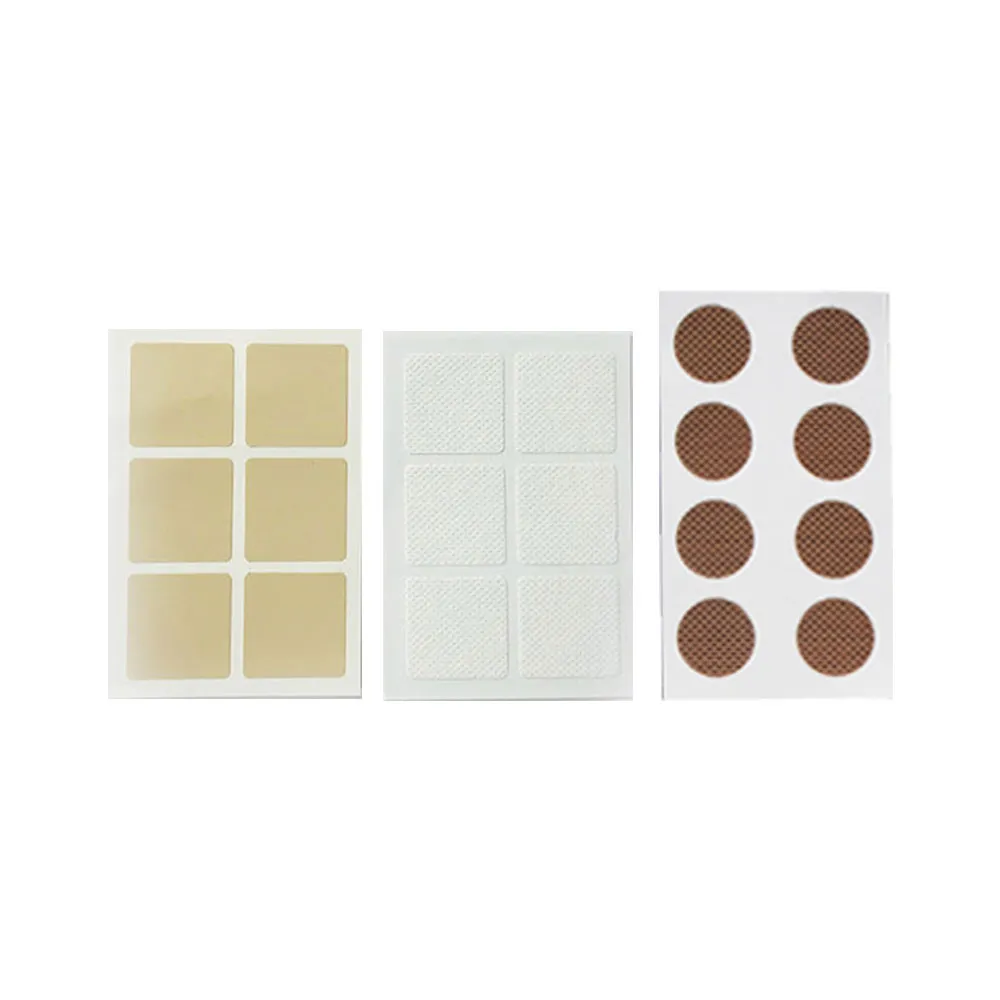
To provide a balanced perspective, both B2B buyers and consumers must weigh the pros and cons of these products.
The Benefits:
Easy to Use: They completely eliminate "pill fatigue." For individuals who struggle with swallowing large capsules, patches offer a frictionless alternative.
Highly Portable: Thin, lightweight, and individually packaged, they are perfect for modern, on-the-go lifestyles.
Non-Invasive and Gentle: They bypass the gastrointestinal tract, meaning they avoid the stomach upset, nausea, or acid reflux sometimes caused by oral vitamins.
Sustained Release: Unlike oral supplements that cause a sudden spike in blood concentration, a well-manufactured patch provides a steady trickle of ingredients over hours.
The Limitations:
Inconsistent Absorption: As established, not all molecules can penetrate the skin, leading to variable efficacy.
Limited Clinical Validation: The wellness patch industry moves faster than peer-reviewed clinical trials.
Skin Irritation Risk: The adhesives or the permeation enhancers can cause allergic contact dermatitis in users with highly sensitive skin.
Dosage Control Challenges: It is nearly impossible to deliver high-milligram macro-doses (like Vitamin C or Magnesium) via a small transdermal patch.
This is the most critical factor for any brand looking to enter the patch market.
If you are a brand owner, your marketing can be world-class, but if your manufacturer cuts corners, your product will fail. Patch effectiveness depends entirely on the OEM/ODM manufacturing process.
Why? Because formulating a transdermal patch is a delicate exercise in chemical engineering.
Adhesive Technology: The adhesive cannot just be "sticky." It must hold the active ingredient stably without chemically degrading it. If the adhesive is poor, the patch falls off the skin, reducing absorption time to zero. If it is too aggressive, it causes skin tearing.
Carrier Matrix Design: The active ingredients must be evenly dispersed throughout the hydrogel or acrylic matrix. Poor manufacturing leads to "hot spots" where one part of the patch has too much active ingredient, and another has none.
Raw Material Purity: The particle size of the raw vitamins or caffeine must be micronized perfectly. Standard food-grade ingredients often fail in transdermal applications.
Controlled Release Engineering: The factory must possess the technology to regulate how fast the ingredient leaves the patch and enters the skin.
A poorly manufactured patch equals zero absorption consistency. This is why partnering with an experienced, medically certified OEM/ODM expert is non-negotiable.
If you are looking to build a reliable, high-quality wellness brand, the manufacturer you choose is your most important asset.
Hebei Feifan Biotechnology Co., Ltd., founded in 2015, is a premier, professional vitamin patch manufacturer specializing in self-heating products and advanced transdermal patch medical supplies. We bridge the gap between innovative consumer wellness concepts and rigorous, medical-grade manufacturing execution.
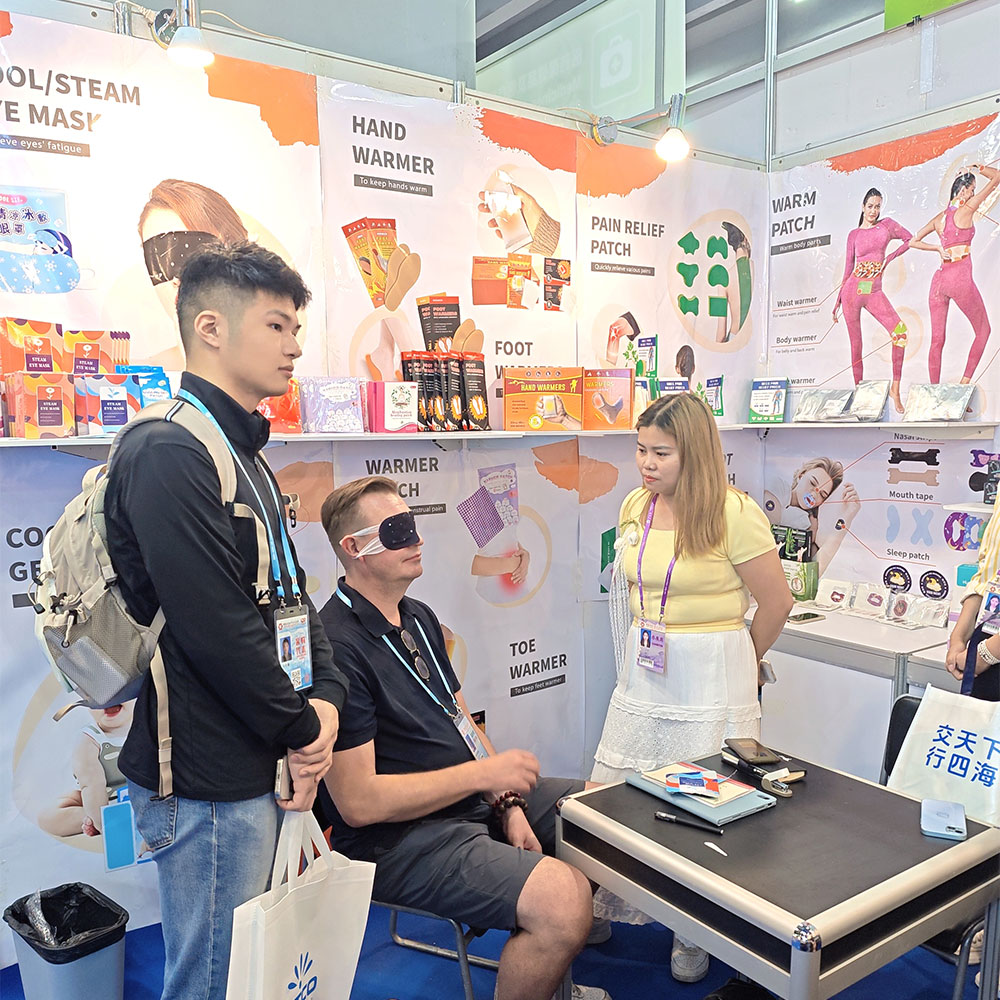
Operating out of a massive 20,000㎡ production facility, which includes 5,000㎡ of strict cleanroom workshops and nearly 100 automated production lines, Feifan Patch proudly supports global OEM/ODM clients across more than 30 countries.
Our Core Product Specializations Include:
Disposable Steam Eye Masks
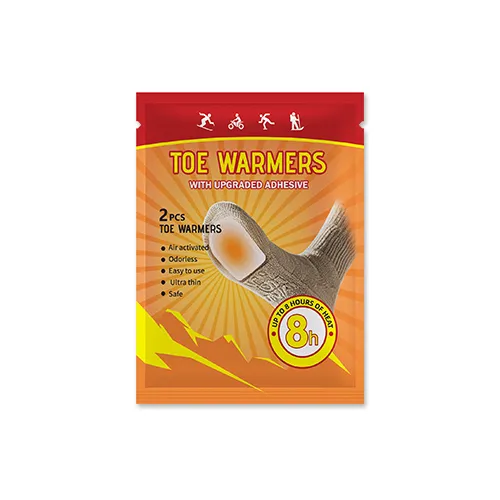
Hot Patches / Warming Patches
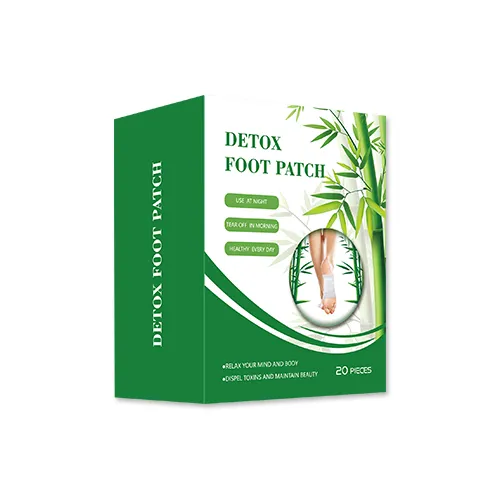
Energy Patches & Sleep Patches
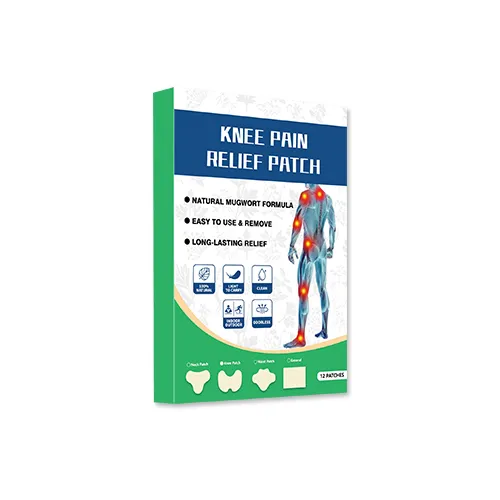
Pain Relief Patches
Cooling Gel Patches
Heat Packs for Shipping
We do not just assemble products; we engineer solutions. Our core manufacturing advantages include:
Global Certifications: We operate under strict quality management systems, holding ISO9001, ISO13485, CE, and FDA certifications.
Proprietary Technology: Backed by multiple patents in heating and transdermal patch matrix technology.
End-to-End QC System: We maintain a rigorous Quality Control system from raw material screening and active ingredient dispersion testing to final packaging.
Strong OEM/ODM Customization: Whether you need a unique herbal energy blend or a customized die-cut shape for a warming patch, our R&D team brings your vision to life.
Our Corporate Philosophy:
Innovate Fearlessly. Craft Excellence. Build Iconic Brands.
The market for alternative delivery systems, from energy patches to therapeutic heating pads, is expanding at an unprecedented rate. Capitalizing on this trend requires a manufacturing partner who understands both the science of absorption and the logistics of global retail.
If you are looking for an:
Energy patch for sale
Vitamin patch private label supplier
Heating patch production factory
Medical pain relief patch OEM partner
Feifan Patch provides comprehensive, end-to-end solutions:
Custom Formula Development: Tailoring active ingredients to your brand's unique positioning.
Private Label Packaging: Beautiful, retail-ready designs that comply with international standards.
Global Export Compliance Support: Navigating CE, FDA, and local market regulations with ease.
Stable Mass Production Capacity: Ensuring you never run out of stock during peak sales seasons.
Ready to revolutionize the wellness market?