



Address:
North Of Anxia Village, Zhengding County, Shijiazhuang City, Hebei, China.

A shipping heat pack can help protect temperature-sensitive goods during transit, but selecting one based on advertised heating duration alone can lead to disappointing results. The actual temperature inside a shipment depends on the heat source, packaging, cargo, external conditions, and time in transit. Buyers should therefore define the delivery requirements before choosing a product.
For importers, exporters, distributors, and temperature-sensitive product suppliers, a clear specification can improve supplier comparisons and reduce avoidable shipping risks. The goal is not simply to generate heat, but to maintain suitable conditions throughout the expected delivery journey.
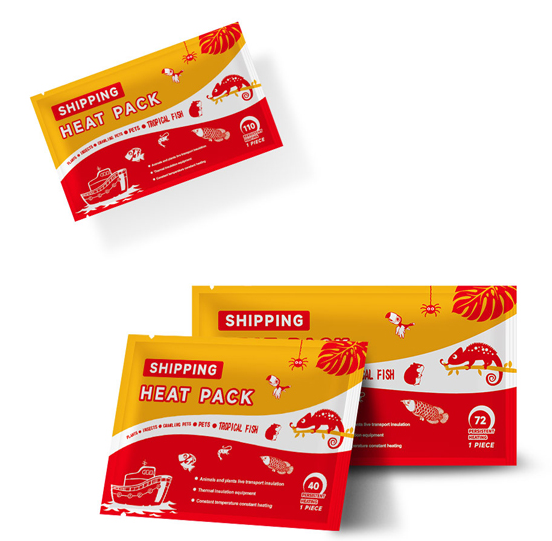
A shipping heat pack is designed to provide supplemental warmth inside a package during transportation. Depending on the application, it may be considered for shipments involving live plants, flowers, certain animal transport supplies, or other goods that require protection from cold conditions.
The correct product depends on the cargo’s acceptable temperature range and exposure limits. Some goods tolerate short periods of cooling, while others may be damaged by relatively brief temperature changes. Buyers should establish the temperature requirements from reliable product-handling guidance before asking a supplier to recommend a heat pack.
Three questions should guide the initial specification:
What temperature range must the cargo maintain?
How long might the shipment remain in transit, including delays?
What packaging and insulation will surround the goods?
A supplier can use this information to assess suitable product options. Without it, selecting a heat pack by size or nominal duration alone may not provide enough protection.

A shipping heat pack performs as part of a complete packaging system. Its effectiveness depends not only on its heat-generating materials, but also on airflow, insulation, cargo volume, and the way the pack is positioned.
Insulated packaging can slow heat loss, while an oversized container may allow more air space that needs to be warmed. External temperatures can also change significantly between collection, warehouse storage, air or road transport, and final delivery. A product that performs adequately in one shipping setup may not produce the same result in another.
Selection factor | What buyers should define | Why it matters |
|---|---|---|
Transit duration | Normal delivery time and likely delays | Determines the required heating period |
Cargo temperature | Acceptable minimum and maximum | Helps avoid excessive cooling or heating |
Package design | Box size, insulation, ventilation | Influences heat retention and distribution |
External conditions | Expected seasonal and route temperatures | Affects heat loss during transit |
Validation method | Temperature monitoring and test duration | Shows how the complete package performs |
Buyers should avoid assuming that a longer advertised heating time automatically means better protection. Heat output, package insulation, and cargo requirements must be considered together.
Before placing a bulk order, buyers should map the shipment’s expected conditions. Consider the starting temperature of the cargo, the time between packing and dispatch, warehouse waiting periods, transport mode, and the destination climate. If delivery routes vary, the specification should reflect the most demanding realistic scenario rather than an ideal journey.
Placement also matters. The heat pack should be used according to supplier instructions and tested in the intended package configuration. Direct contact with sensitive cargo may be unsuitable, depending on the goods and the pack’s temperature profile. Buyers should confirm whether separation materials, insulation, or specific placement instructions are required.
A shipping heat pack should not be treated as a substitute for temperature control when the cargo requires tightly regulated conditions. For high-value or especially sensitive goods, use suitable monitoring and follow the cargo owner’s handling procedures. A written packing protocol can help warehouse staff reproduce the same setup consistently.
Sample testing is an important step before a large purchase. Rather than testing the heat pack alone, buyers should evaluate it inside the actual or representative shipping package, using a realistic cargo load and expected route conditions.
Where appropriate, place temperature data loggers at relevant positions within the package. Comparing readings across different locations can reveal whether heat is distributed evenly or whether some areas become too warm or too cold. Test duration should cover the planned transit period and a reasonable allowance for delays.
Buyers should document the packaging materials, pack quantity, placement, initial cargo temperature, external conditions, and recorded results. If the package design or route changes, further testing may be needed. These records make supplier discussions more precise and help establish repeatable packing procedures.
A useful inquiry should explain the shipment rather than simply ask for a price. Include the cargo type, required temperature range, estimated transit time, package dimensions, insulation materials, expected route conditions, target order quantity, and destination markets. If the shipment has previously experienced cold damage, describe the circumstances and provide temperature records when available.
Buyers can then ask suppliers about available pack sizes, heating profiles, stated duration, storage requirements, handling precautions, packaging options, and sample availability. Confirm the testing conditions behind any performance claims, as results may not transfer directly to a different package.
Choosing a shipping heat pack requires matching product performance to the cargo, packaging, and complete delivery journey. Buyers should define temperature limits and transit duration, assess insulation and placement, and validate the assembled package under realistic conditions. Clear specifications also help suppliers recommend suitable options and provide comparable quotations. Before scaling an order, test representative shipments and document the results. This practical process gives buyers a stronger basis for protecting sensitive goods and improving consistency across repeat deliveries.
No. Different goods have different temperature tolerances, package requirements, and transit risks. Selection should be based on the specific shipment.
No. Duration alone does not show whether the cargo will remain within its required temperature range throughout transit.
Insulation, container size, airflow, pack placement, and cargo volume all influence temperature performance. Testing the complete setup reflects real shipping conditions more accurately.
Yes. Warehouse holds, weather, and transport disruptions can extend transit time. Testing should include a reasonable allowance for foreseeable delays.
Provide cargo type, temperature requirements, transit duration, package details, route conditions, order quantity, and any existing test results.
Monitoring may not be necessary for every low-risk shipment, but it is valuable when cargo is sensitive or the consequences of temperature deviation are significant. Follow the cargo’s handling requirements and use appropriate monitoring where needed.