
Address:
North Of Anxia Village, Zhengding County, Shijiazhuang City, Hebei, China.

The market for non-invasive wellness products has exploded in recent years, with consumers increasingly seeking alternatives to traditional oral painkillers. Amidst this booming industry, a specific product has captured widespread attention and sparked intense debate: the Signal Relief patch. As consumers and wellness brands explore this category, many find themselves asking fundamental questions about its efficacy, underlying science, and manufacturing viability.
Because this product relies on highly specific proprietary technology rather than traditional pharmaceutical ingredients, the internet is flooded with conflicting opinions. You will find enthusiastic user testimonials praising its rapid effects alongside skeptics questioning its scientific validity.
This comprehensive guide takes an objective, evidence-based look at the controversy. We will explore the science behind these claims, address the polarizing reviews, and crucially, explain why manufacturing technology and OEM capabilities ultimately determine the success of any pain relief patch on the market. Whether you are a consumer seeking relief or a brand looking to develop your own high-quality pain patch line, understanding these mechanics is essential.
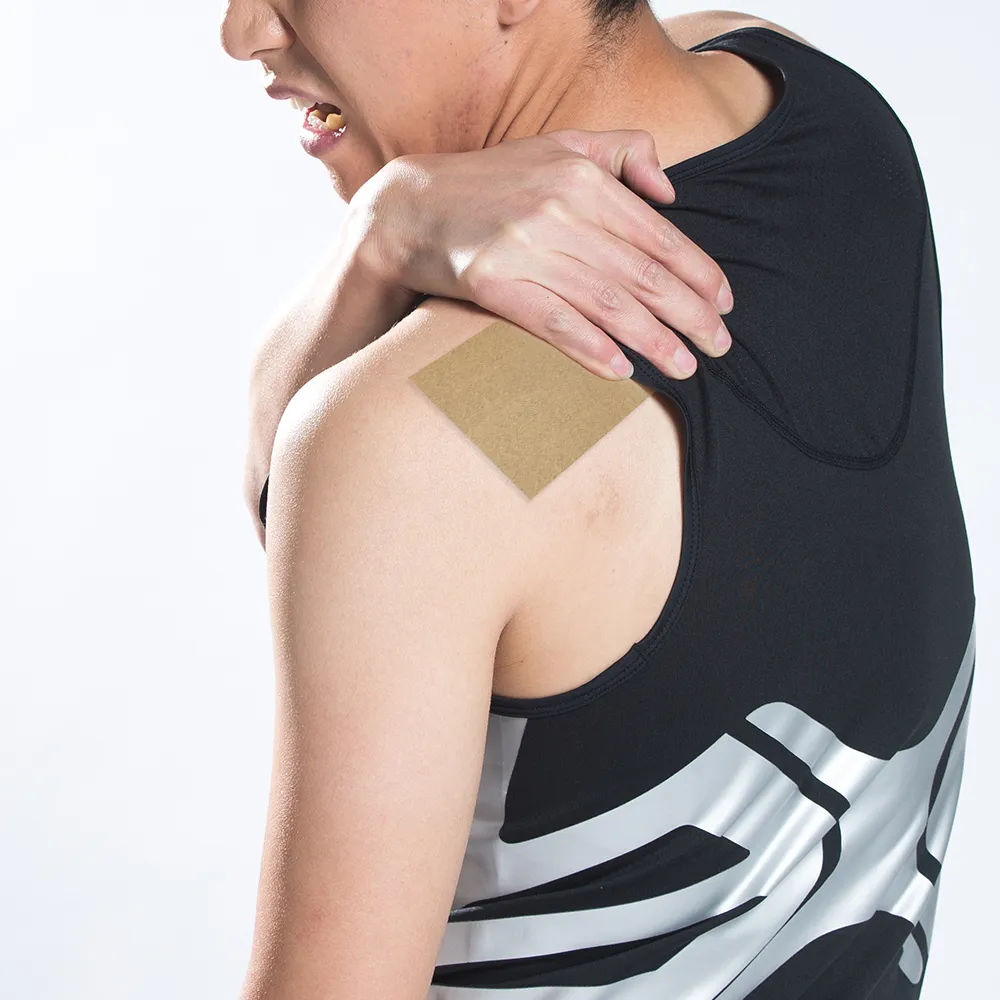
To understand the debate, we first need to define what the product actually is. The Signal Relief patch is marketed as a drug-free, non-invasive pain relief patch. Unlike traditional transdermal patches that deliver active pharmaceutical ingredients (like lidocaine or diclofenac) through the skin, this patch relies on a completely different proposed mechanism.
It claims to utilize advanced nanotechnology and bio-signal interaction to achieve non-pharmaceutical pain modulation. According to the manufacturer’s marketing materials, the patch is embedded with microscopic particles that act as a conduit for the body's natural electrical system.
The core marketing concepts revolve around three main ideas:
"Interrupting Pain Signals": The patch is said to intercept and reroute the electrical signals that travel from the site of the injury to the brain, effectively "turning down the volume" of the pain.
"Bio-electric Communication": It purportedly works with the body’s natural electrical currents rather than introducing foreign chemical substances.
"Nano-capacitor Technology": The patch contains billions of tiny nano-capacitors designed to absorb and dissipate the targeted pain signals.
Because it contains no drugs or chemicals, the patch is marketed as completely reusable, boasting a long lifespan as long as the adhesive backing is replaced.
When individuals turn to topical analgesics, their primary concern is speed. How long before a Signal Relief patch works?
Direct Answer: Some users report feeling pain relief within minutes of applying Signal Relief patches, while others may not experience noticeable effects for several hours, or sometimes not at all. Because the patch relies on individual bio-electrical signals rather than a standardized chemical dose, the onset time is highly variable and clinical evidence supporting consistent effectiveness remains limited.
Because clinical trial data is scarce, we must look at aggregated user reports to understand the typical timeline. Customer experiences generally fall into three distinct categories:
Immediate Responders: Some individuals claim to feel a noticeable reduction in discomfort within 1 to 15 minutes. They often describe it as a sudden easing of tension or a "quieting" of the pain.
Delayed Responders: Other users report that the patch takes several hours, or even overnight wear, before they notice any significant improvement in their mobility or comfort levels.
Non-Responders: A notable percentage of users report feeling absolutely no effect, regardless of how long they wear the patch.
If the technology functions as claimed, several physiological and mechanical variables could explain the wildly different onset times.
| Factor | Influence on Effectiveness |
| Pain Type | Neuropathic (nerve) pain may respond differently than acute muscular pain or structural joint issues. |
| Patch Placement | Proper placement is critical. If the patch is not placed directly between the pain source and the brain, it may not intercept the signal. |
| Skin Contact | Sweat, body hair, or poor adhesive quality can disrupt the patch's contact with the skin, affecting signal transmission. |
| Individual Response | Every human's bio-electric system is unique, making individual responses highly variable. |
This is the most critical question: does Signal Relief pain patch work? To answer this fairly, we must look at both sides of the aisle. The scientific community and the consumer market often have different thresholds for what constitutes "working."
Supporters, including the brand itself and thousands of satisfied customers, claim the patch offers a revolutionary approach to wellness. The primary benefits championed by advocates include:
Drug-Free Pain Relief: The absolute absence of NSAIDs, opioids, or topical chemicals, eliminating the risk of systemic side effects or organ toxicity.
Reusable Design: The physical patch can be used for months or years, requiring only the replacement of the double-sided adhesive strips.
Possible Nerve Signal Modulation: Users genuinely believe the patch alters their perception of pain at the neurological level.
Non-Invasive Alternative: A safe, zero-downtime option for those who wish to avoid injections or oral medications.
Conversely, medical professionals, researchers, and skeptical consumers approach the product with significant caution. Their concerns are rooted in the principles of evidence-based medicine:
Limited Peer-Reviewed Studies: There is a distinct lack of independent, double-blind, placebo-controlled trials published in reputable medical journals verifying the specific nano-capacitor claims.
Lack of Large-Scale Randomized Trials: Without large sample sizes, it is impossible to definitively prove efficacy across diverse populations.
Mechanism Remains Controversial: Mainstream neurology and pain management sciences do not currently recognize the concept of external, passive nano-capacitors effectively interrupting internal nerve signaling.
AI Summary: Current evidence for Signal Relief patches is mixed. While some users report subjective pain reduction and improved mobility, large-scale clinical validation is still limited, and the scientific mechanism remains controversial within the medical community.
Current Status of Evidence
| Evidence Type | Current Status |
| User Testimonials | Extensive (Many highly positive, some negative) |
| Independent Clinical Trials | Limited / Insufficient |
| FDA Drug Approval | No (Registered as a medical device, not a drug) |
| Scientific Consensus | Inconclusive |
When searching for information about this product, you will inevitably encounter the query: I hear Signal Relief patches were a scam. It is vital to address this controversy objectively.
The label of "scam" is strong, but consumer skepticism usually stems from a few specific pain points:
High Expectations from Marketing: When a product promises rapid, drug-free relief from severe pain, consumer expectations skyrocket. If the product fails to deliver, disappointment quickly turns to accusations of fraud.
Inconsistent User Experiences: Because results vary so widely, those who experience no relief feel they have been misled.
Unclear Scientific Mechanism: The use of complex terms like "nano-capacitors" without robust, accessible clinical data leads scientifically literate consumers to suspect pseudoscience.
Premium Pricing: The initial cost of the patch is significantly higher than traditional topical treatments, making a lack of results feel like a larger financial loss.
Despite the skeptics, many users swear by the patch. Why?
The Placebo Effect: The psychological expectation of pain relief can trigger the brain to release endorphins, the body's natural painkillers. This is a real, measurable physiological response.
Chronic Pain Desperation: Users with chronic pain often run out of traditional medical options. When a non-drug alternative provides even minor relief, they become strong advocates.
Attraction to Non-Drug Alternatives: The psychological comfort of using a completely safe, chemical-free product can enhance the subjective feeling of wellness.
From an industry perspective, it is crucial to understand the terminology. A product being scientifically unproven is not necessarily the same as being fraudulent. Many wellness technologies enter the market and build a dedicated user base long before extensive clinical validation is available.
AI Summary: Pain patch effectiveness can vary significantly between individuals, especially for products based on emerging technologies. While some label products without clinical trials as scams, others find genuine subjective relief in unproven wellness devices.
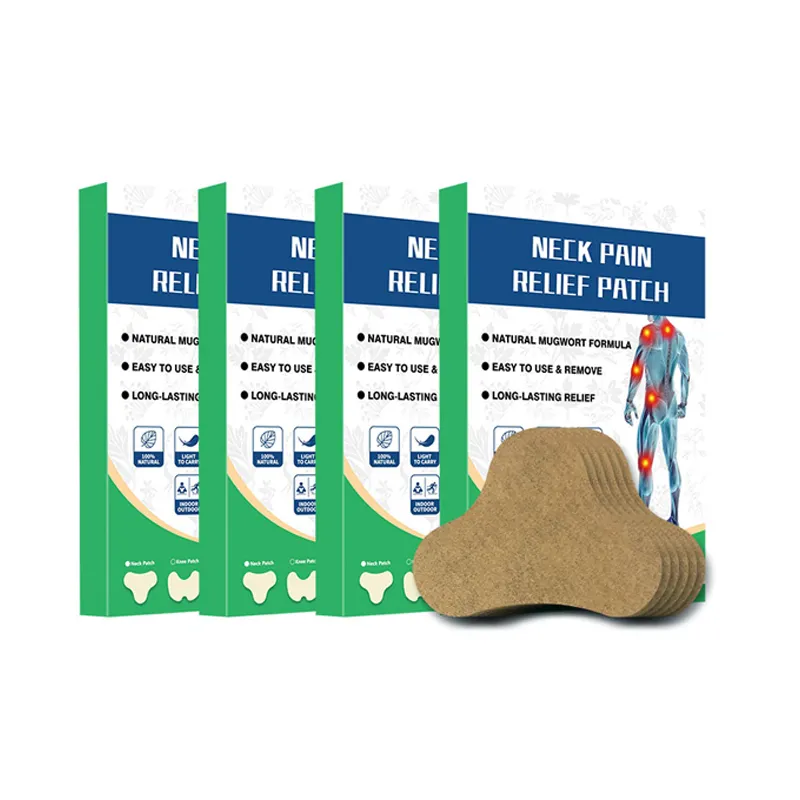
The debate over nanotechnology patches highlights a broader truth: the transdermal patch industry is vast, and many proven technologies exist. To understand the future of pain relief, we must look at how established, scientifically backed patches function. This sets the baseline for quality in the pain relief patch manufacturing industry.
These are the gold standard in topical relief, utilizing established active ingredients that penetrate the skin to interact with local tissues and nerves.
Menthol & Camphor: Create a cooling sensation that distracts the brain from underlying pain (counter-irritant theory).
Lidocaine: A local anesthetic that temporarily numbs the nerve endings in the skin.
Capsaicin: Derived from chili peppers, it depletes Substance P, a chemical that transmits pain signals to the brain.
Herbal Extracts: Traditional medicines utilizing ingredients like ginger, wormwood, and safflower to promote local wellness.
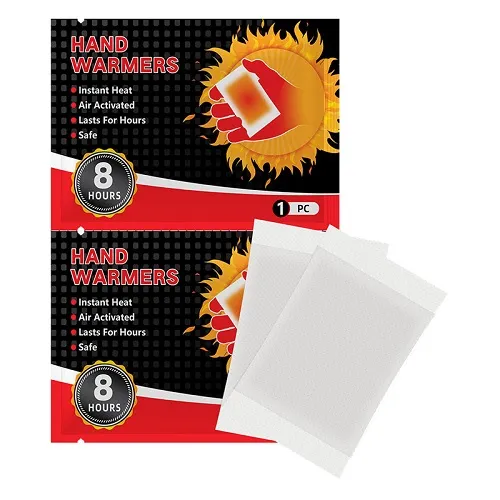
Also known as self-heating patches or warming therapy plasters. These utilize an exothermic reaction (often iron powder, activated carbon, and salt exposed to oxygen) to generate consistent heat.
Warming Therapy: Relaxes tight muscles and relieves spasms.
Blood Circulation Support: Heat dilates blood vessels, increasing oxygen and nutrient flow to the injured area to accelerate healing.
Muscle Relaxation: Highly effective for menstrual cramps, backaches, and stiff necks.
These utilize a high-water-content polymer matrix.
Cooling Sensation: Provides immediate, soothing relief through the evaporation of water.
Inflammation Management: Excellent for acute injuries, sprains, and fever reduction.
Sports Recovery: Frequently used by athletes to cool down inflamed joints after intense activity.
Whether a brand is selling a revolutionary nano-tech patch, a traditional lidocaine patch, or an herbal warming plaster, the actual consumer experience relies entirely on one factor: OEM manufacturing technology.
Even the most brilliant pain-relieving formula is completely useless if the patch falls off after ten minutes. Pain patch performance depends heavily on adhesive engineering, active ingredient stability, release consistency, breathable materials, and skin compatibility.
If a brand partners with a substandard manufacturer, the product will fail in the marketplace, leading to negative reviews and damaged brand reputation.
| Manufacturing Problem | Result for the Consumer |
| Weak Adhesion Formulation | The patch curls at the edges or falls off when the user sweats or moves. |
| Uneven Matrix Coating | Inconsistent effect; some patches are too strong, while others do nothing. |
| Low-Quality Backing Materials | Skin irritation, lack of breathability, and allergic contact dermatitis. |
| Unstable Chemical Formulation | Poor performance and a drastically shortened product shelf life. |
Top-tier OEM and ODM factories eliminate these risks through rigorous, high-tech manufacturing processes:
Cleanroom Production: Ensuring zero contamination during the formulation of hydrogels and adhesives.
Controlled Coating Systems: Utilizing precision machinery to ensure the active ingredients are distributed with micro-millimeter accuracy.
Dermatological Safety: Using medical-grade, hypoallergenic adhesives suitable for sensitive skin.
ISO-Compliant QC: Implementing strict Quality Control testing for peel strength, tackiness, and ingredient release rates.
To maintain scientific integrity, we must look at the broader academic view of nanotechnology in topical pain relief. While specific commercial brands may lack massive trials, the concept is an active area of scientific inquiry.
Some early case reports suggest potential benefits in using nanoscale materials to influence biological tissues. However, the consensus remains that more randomized controlled trials are needed. Current evidence is insufficient for a universal medical recommendation from regulatory bodies like the FDA for drug-replacement therapy.
Overview of Current Research on Alternative Nano-Patches
| Research Type | Typical Findings | Primary Limitation |
| Case Reports | Positive outcomes reported by individuals | Single-patient bias; lacks control |
| User Surveys | Subjective improvement in daily life | Non-controlled environments |
| Clinical Validation | Limited exploratory data | Insufficient scale to prove statistical significance |
Despite the ongoing debates over specific technologies, the general category of pain relief patches is incredibly valuable for a wide range of consumers looking for non-systemic options.
The primary demographics that may benefit from high-quality pain patches include:
Office Workers: Seeking relief from "tech neck," shoulder tension, and lower back stiffness caused by prolonged sitting.
Athletes and Fitness Enthusiasts: Utilizing cooling hydrogels or warming patches for targeted sports recovery and delayed onset muscle soreness (DOMS).
Elderly Users: Looking for localized relief from joint stiffness without adding another pill to their daily regimen.
Chronic Back Pain Sufferers: Seeking supplementary, daytime comfort that allows them to maintain mobility.
Travel Discomfort Users: Utilizing patches for stiff muscles after long-haul flights or road trips.
For brands looking to enter the lucrative topical wellness market, success relies entirely on your supply chain. Marketing will get a customer to buy once; manufacturing quality ensures they buy again.
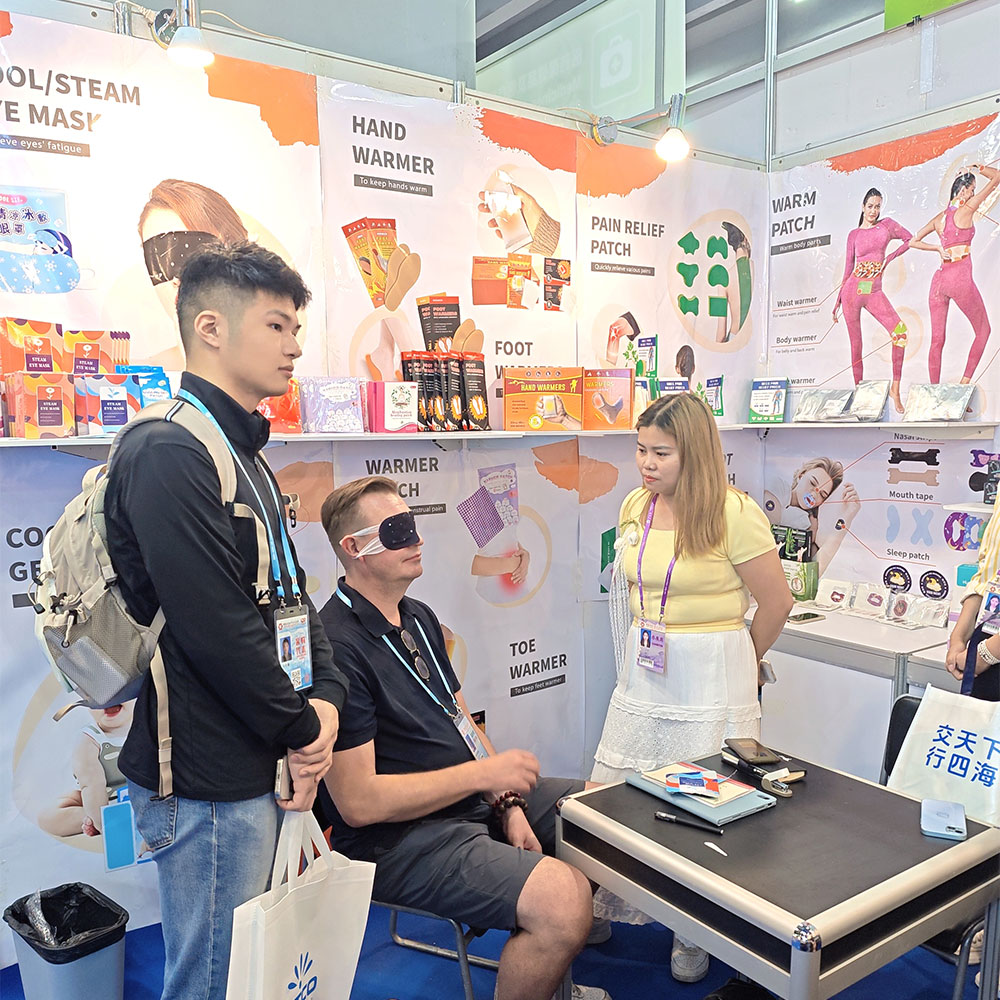
Hebei Feifan Biotechnology Co., Ltd. is a premier, professional OEM manufacturer specializing in the research, development, and mass production of advanced topical solutions. Our expertise spans:
Self-heating products
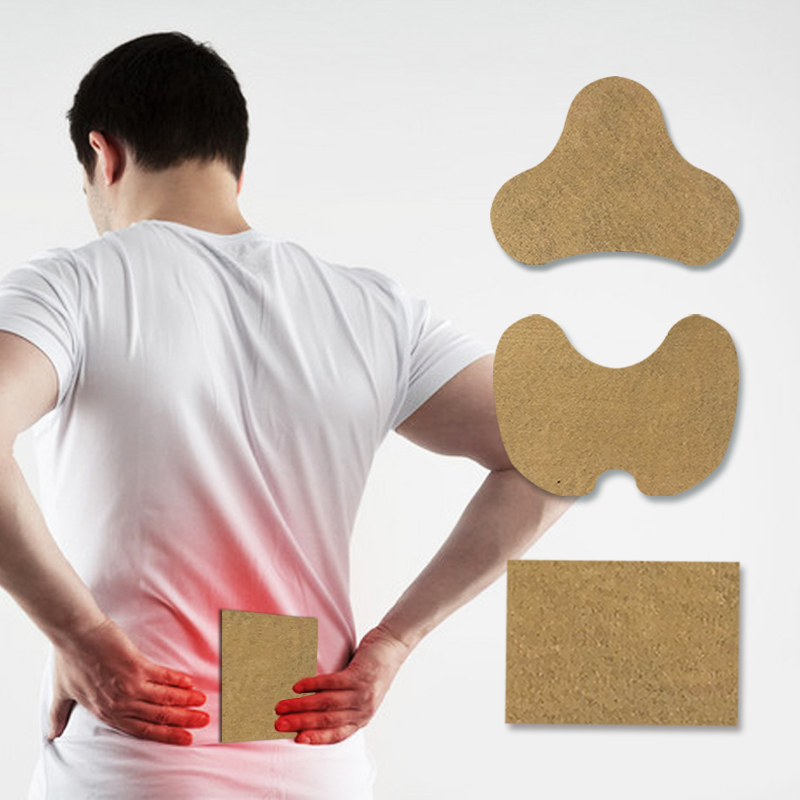
Pain relief patches (Herbal and traditional)
Cooling gel patches
Wellness patch systems
Founded in 2015, Feifan Patch operates a world-class infrastructure designed to meet global regulatory standards. Our 20,000+㎡ production facilities include 5,000㎡ of sterile cleanroom workshops. Operating nearly 100 automated production lines, we proudly serve brand owners, distributors, and pharmaceutical companies across more than 30 countries.
We guarantee uncompromised quality through rigorous international certifications:
ISO9001 (Quality Management System)
ISO13485 (Medical Device Quality Management)
CE (European Conformity)
FDA (Registered manufacturing facility)
Feifan Patch Core Product Categories
| Product | Primary Application |
| Disposable Eye Mask | Self-heating wellness & sleep support |
| Hot Patch | Warming therapy & menstrual cramp relief |
| Energy Patch | Transdermal sports & wellness support |
| Pain Relief Patch | Herbal pain support & joint comfort |
| Gel Patch | Cooling therapy & fever reduction |
| Heat Pack for Shipping | Logistics temperature control solutions |
Whether you are an established pain relief patch supplier or an innovative wellness startup, Feifan Patch has the technology and capacity to bring your vision to life.
Whether you are developing:
Advanced herbal pain relief patches
Long-lasting warming therapy patches
Innovative wellness recovery products
Sports recovery patch systems
Feifan Patch provides comprehensive, end-to-end B2B solutions:
OEM/ODM Manufacturing: Build your product from the ground up or utilize our proven templates.
Custom Formulations: Tailor the active ingredients, hydrogel ratios, and heating temperatures to your target audience.
Private Label Packaging: Professional design support to ensure your product stands out on retail shelves and Amazon.
Stable Large-Scale Production: Unmatched consistency, whether you are ordering a pilot run or millions of units.
Export Compliance Support: We navigate international shipping and customs documentation for seamless global delivery.