Address:
North Of Anxia Village, Zhengding County, Shijiazhuang City, Hebei, China.

For winter wellness, outdoor products, and seasonal retail, the heating format can affect product positioning, user experience, packaging, and production requirements. A Foot warmer patch focuses on targeted warmth and flexible placement, while a disposable foot warmer is generally designed for use inside shoes or boots. For brands developing a winter product line, understanding the differences between these formats makes it easier to select the right specifications and supplier.
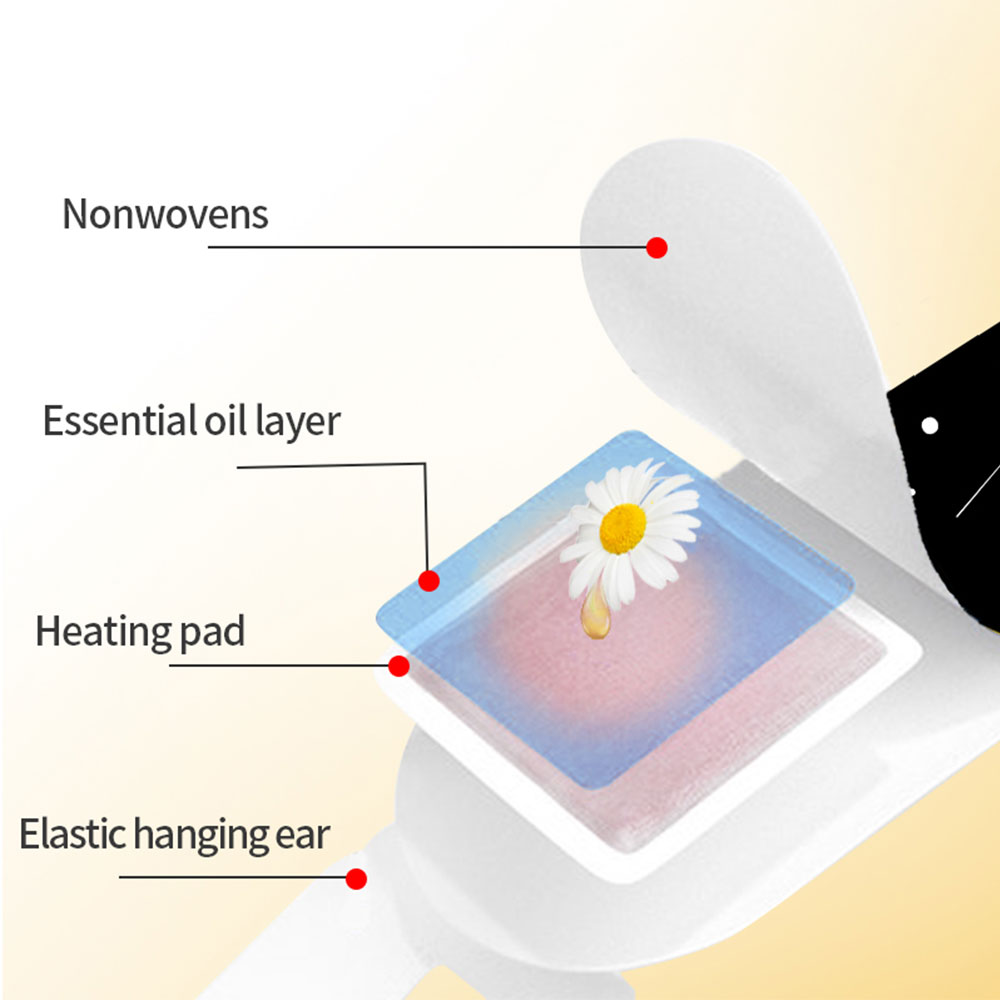
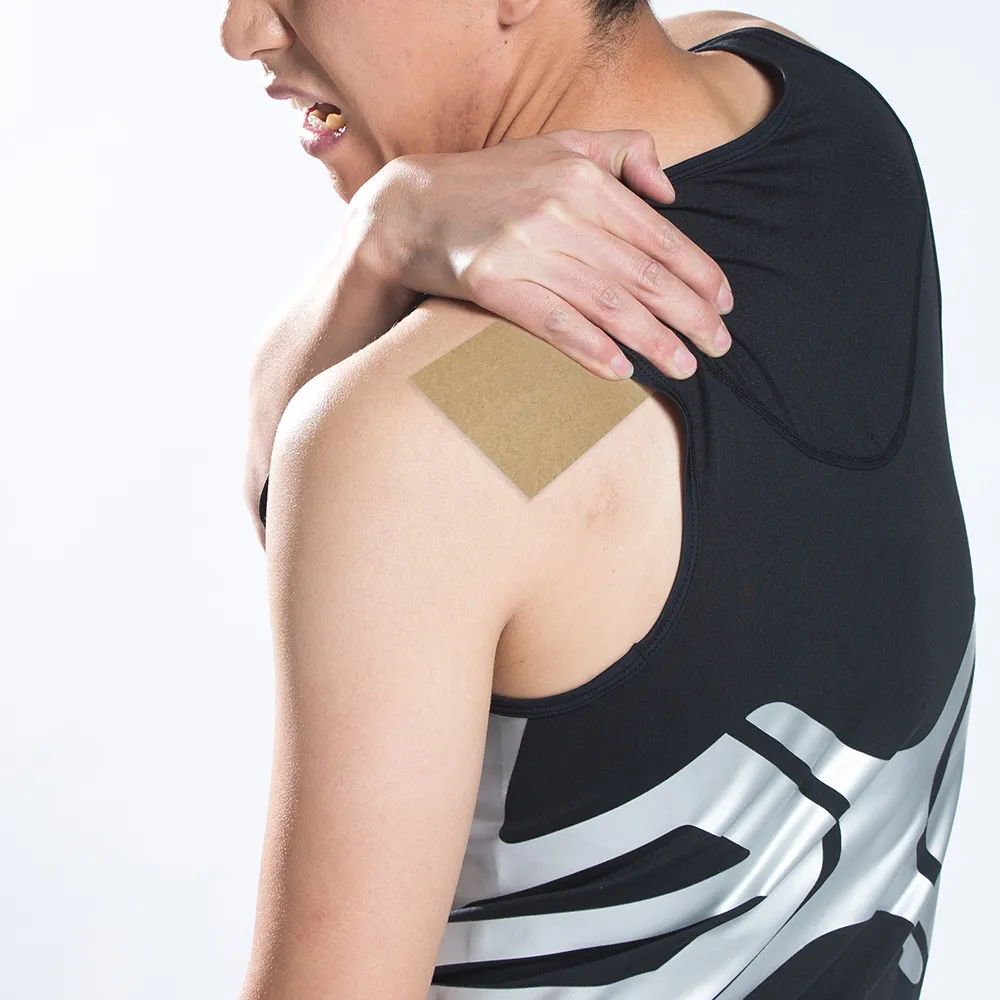
A Foot warmer patch is a disposable self-heating product designed to provide localized warmth around the foot area.
Unlike a full in-shoe warmer, a patch format can give brands greater flexibility in product size, placement, and packaging. FEIFAN BIO's foot warmer patch is available in an 8 × 12 cm format, with options for customized size, heating duration, color, and packaging.
This makes the format suitable for winter comfort products, wellness ranges, and seasonal retail products where a compact warming solution is preferred. Brands can also develop different versions for specific applications without changing the basic product concept.
For suppliers and importers, the key consideration is therefore not simply how much heat the product generates, but how the product will be positioned and used.
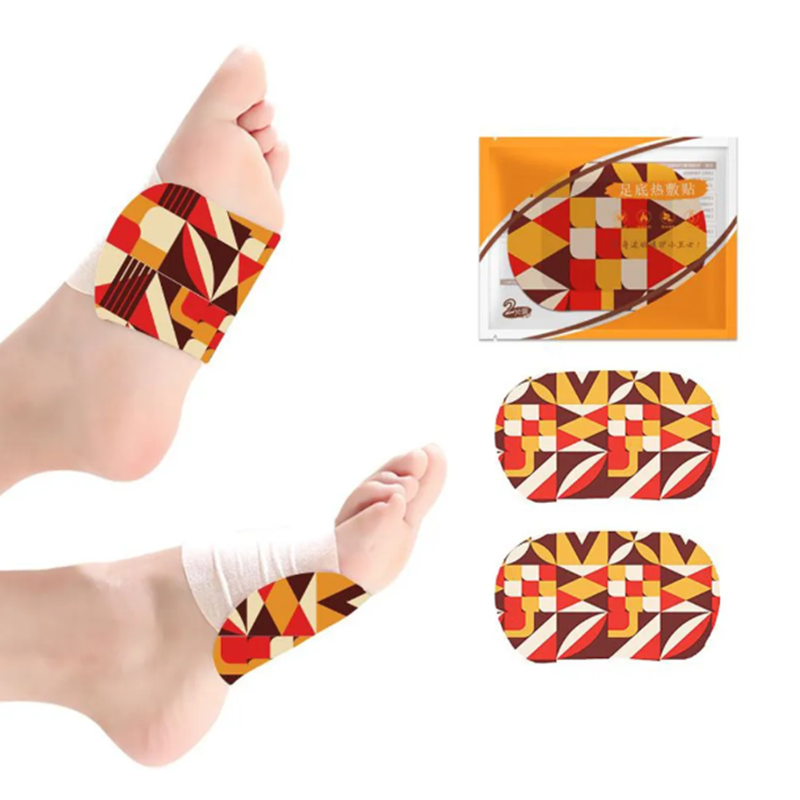
The main difference between the two formats is their structure and intended placement. A patch is designed for targeted warming, while a disposable foot warmer is typically developed for use inside footwear.
| Factor | Foot Warmer Patch | Disposable Foot Warmer |
|---|---|---|
| Product format | Flexible warming patch | Foot-shaped warmer |
| Example size | 8 × 12 cm | 8 × 23 cm, 8.5 × 24 cm, 8.5 × 25 cm |
| Heating duration | Customizable | 7–12 hours |
| Activation | Air activated | Air activated |
| Main application | Targeted foot warmth | Shoes and boots |
| Customization | Size, heat time, packaging | Size, heat time, packaging, color, logo |
A disposable foot warmer can be positioned around long-duration outdoor use, while a patch can provide greater flexibility for brands developing compact or targeted warming products.
The right format depends on the product's intended application, target customer, and positioning.
Outdoor sports: Disposable foot warmers are suitable for products positioned around skiing, hiking, camping, and other activities where warmth inside footwear is important.
Daily winter use: A feet warmer patch can provide a compact warming option for commuting, outdoor activities, and everyday cold-weather comfort.
Wellness products: The flexible patch format can be incorporated into products focused on localized warmth rather than full-foot coverage.
Seasonal retail: Brands can offer both formats as complementary products, allowing customers to choose according to their preferred use scenario.
For a B2B brand, this distinction can also help avoid unnecessary product overlap. Instead of selling two products with almost identical positioning, each format can be developed around a clearly defined use case.
For buyers, selecting a warming product requires more than comparing the advertised heating time. Several specifications can directly affect the final product experience.
Size and shape: The dimensions should match the intended placement and, for in-shoe products, the available space inside footwear.
Heating duration: The target duration should correspond to the expected usage period. A longer heating time is not automatically necessary for every application.
Activation method: Air-activated products offer a simple, battery-free operating concept.
Material and surface: Flexibility, breathability, and surface comfort should be considered when the product will be used close to the body.
Adhesive or positioning: Patch products should maintain their intended position during normal movement.
Packaging: Individual packaging, retail boxes, printing, and labeling should match the target sales channel.
Customization: Buyers should confirm whether the supplier can adjust dimensions, heating duration, packaging, color, and logo requirements.
These specifications should be confirmed during the sampling stage rather than relying only on a supplier's standard product description.
A winter warming product line does not have to rely on a single format. Different products can serve different customer needs while maintaining consistent branding and packaging.
A Foot warmer patch can be positioned as a compact, targeted warming solution, while a disposable foot warmer can focus on in-shoe use and longer outdoor activities. This creates a clearer distinction between products and gives retailers more flexibility when building seasonal collections.
For example, a brand targeting outdoor consumers may emphasize foot warmers for shoes and boots, while a wellness-oriented brand may prefer a flexible patch format. The same manufacturer can potentially support both concepts through different dimensions, heating durations, packaging structures, and branding requirements.
This product-line approach can also make seasonal promotions easier. Instead of presenting several similar warming products, brands can explain the role of each format through simple application-based messaging.
A clear RFQ helps suppliers understand the product requirements before sampling and quotation. Buyers should provide the intended application, preferred format, approximate dimensions, target heating duration, packaging requirements, target market, branding requirements, and expected order quantity.
For a patch, buyers should also clarify the desired positioning and adhesive requirements. For an in-shoe product, footwear compatibility and product dimensions are more important.
FEIFAN BIO supports OEM and ODM development for warming products, with customization options covering product size, heating duration, packaging, color, and logo requirements. A supplier's ability to provide samples before mass production is also important because buyers can evaluate actual heating performance, product flexibility, packaging, and overall usability.
Choosing between a Foot warmer patch and a disposable foot warmer should start with the intended application rather than simply comparing heating duration. A patch provides a flexible option for targeted warmth, while a disposable foot warmer is more closely associated with use inside shoes and boots. For brands, the practical decision involves product dimensions, heating time, positioning, materials, packaging, and customization. Defining these requirements before contacting a supplier can make sampling and production more efficient while helping ensure that the final product has a clear position within the winter product range.
No. A patch is designed for targeted warming, while disposable foot warmers are generally designed for use inside footwear.
FEIFAN BIO lists its disposable foot warmer with a heating duration of 7–12 hours, depending on the product specification.
Yes. Size customization is available for the FEIFAN BIO foot warmer patch.
No. The disposable foot warmer uses an air-activated heating system rather than a rechargeable battery.
Yes. Packaging, color, logo, and other product specifications can be customized for OEM and ODM projects.
Yes. Samples allow buyers to evaluate heating performance, dimensions, materials, positioning, packaging, and overall product suitability before confirming mass production.