

Address:
North Of Anxia Village, Zhengding County, Shijiazhuang City, Hebei, China.

Cold feet can affect comfort during commuting, outdoor work, winter travel, and recreational activities. For brands and distributors, choosing a warming product involves more than finding an item that generates heat. Footwear design, placement, intended activity, packaging, and user instructions all influence whether a product suits its target market.
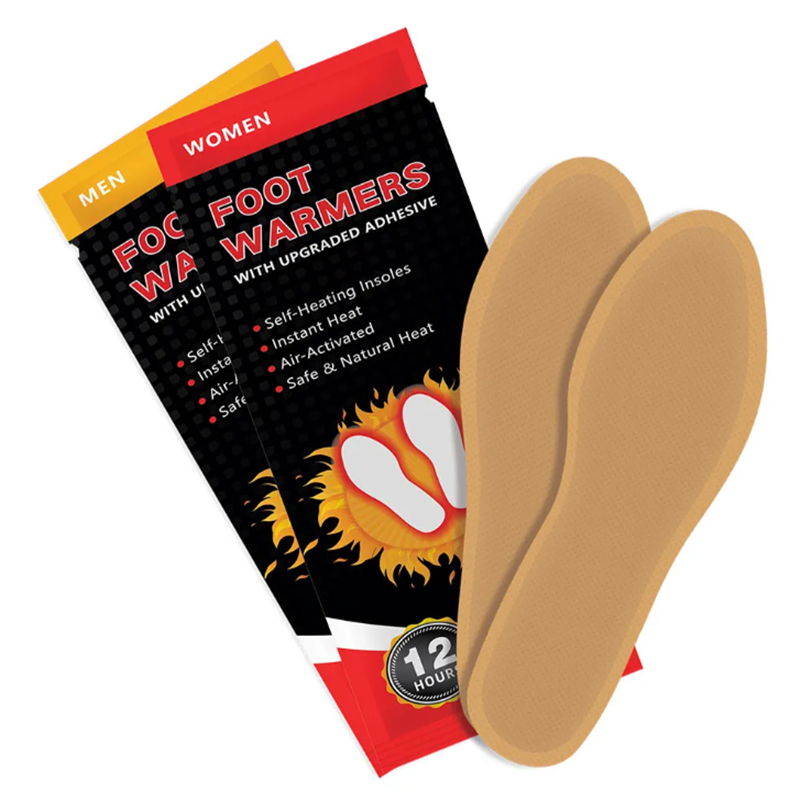
Foot warmers and toe warmers serve related purposes, but their shapes, coverage areas, and application methods may differ. Understanding these distinctions helps retailers develop clearer product descriptions and enables private-label buyers to select a format that matches consumer expectations. FEIFAN.BIO offers foot-warming product options for businesses planning seasonal assortments, outdoor accessories, and branded product lines.
Footwear varies in internal space, insulation, shape, and intended use. A disposable foot warmer suitable for one style of shoe may not be appropriate for another. Buyers should check the specific product's dimensions and placement instructions rather than assuming that one format works with every type of footwear.
Slim shoes may leave limited room for an additional warming product, while some winter boots offer more space. Socks, insoles, and the way footwear is fastened can also affect comfort and positioning. These practical considerations should inform product selection and marketing descriptions.
The phrase foot warmers disposable may appear in customer searches, but product pages should explain the actual format and intended application. Avoid promising universal compatibility. Clear specifications and realistic descriptions help customers determine whether a product matches their needs before purchasing.
Foot warmers and toe warmers should not automatically be treated as interchangeable. Depending on the model, a foot warmer may be designed for a broader foot-related application, while a toe warmer may target a more specific area. Exact placement and compatibility must follow the manufacturer's instructions.
Comparison factor | Disposable foot warmer | Toe warmer |
|---|---|---|
Intended application | Foot-related warming, depending on model | Toe-area warming, depending on model |
Main fit consideration | Product dimensions and footwear space | Shape and specified placement |
Buyer priority | Intended use and performance information | Placement instructions and compatibility |
Product-page focus | Format and use conditions | Placement and restrictions |
Verification | Model-specific specifications | Model-specific specifications |
The correct selection depends on product design rather than the name alone. Buyers should compare dimensions, application methods, verified warming duration, and restrictions stated by the supplier.
FEIFAN.BIO provides dedicated foot warmer and toe warmer for businesses comparing product formats. Reviewing both ranges can help buyers decide which option better fits their intended customers and sales channels.
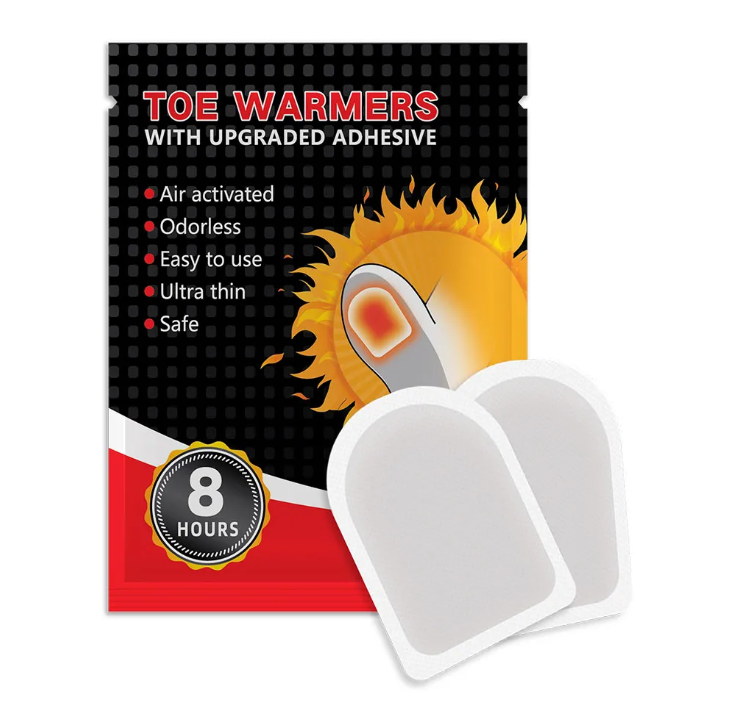
Fit is an important part of the user experience. A warming product that shifts, creates pressure, or is used outside its specified application may cause discomfort or misuse. Buyers should assess practical compatibility before committing to a product for retail or private-label distribution.
Consider these factors during selection:
Dimensions and shape: Check the product's size against the intended footwear and use case.
Placement instructions: Confirm where the product should be positioned and whether direct skin contact is prohibited.
Activity level: Consider walking, standing, or other movements that could affect placement.
Labeling: Ensure directions and restrictions are easy to understand.
Performance information: Review stated warming duration and relevant test conditions.
These details should be reflected in packaging, online listings, and retailer information. Brands should avoid making medical claims unless they have suitable evidence and the claims are permitted in the target market. General warming and comfort descriptions should not imply that a product treats a medical condition.
Different customer groups prioritize different features. Travelers may value compact packaging and easy storage. Outdoor workers may need clear instructions and performance information relevant to their working conditions. Retailers may prioritize shelf-ready packaging, product differentiation, and multipack options.
For outdoor recreation, buyers should consider the footwear and activities common among their target audience. For travel retail, individual packs may be easier to merchandise alongside socks, gloves, and other seasonal accessories. Specialist outdoor retailers may benefit from descriptions that explain the difference between a foot warmer and a toe warmer.
A disposable foot warmer should always be presented according to its documented specifications. Buyers should verify stated heat duration and intended-use conditions rather than assuming performance will remain identical in every environment. Clear product information helps customers select the appropriate format and reduces avoidable confusion.
Before placing a bulk order, buyers should request product specifications, packaging details, instructions, relevant test documentation, shelf-life information, and storage guidance. They should also confirm available pack sizes, customization options, minimum order quantities, and production lead times.
Private-label projects require additional planning. Artwork, translated instructions, labeling requirements, and distribution schedules can all affect launch readiness. Businesses selling across several markets should verify local requirements rather than assuming one package will satisfy every market.
FEIFAN.BIO buyers can prepare a product brief covering the target market, intended footwear or activity, preferred format, packaging requirements, and estimated order quantity. This gives the supplier a clearer understanding of the project and helps focus the discussion on relevant specifications and customization possibilities.
Choosing a disposable foot warmer is a product-fit decision as much as a purchasing decision. Footwear, placement, activity, packaging, and user instructions all influence suitability. By comparing foot warmers with toe warmers using verified specifications, brands can create clearer assortments and more useful product listings. FEIFAN.BIO buyers should prepare their target-use details, packaging preferences, and order expectations before requesting product information or a quotation. A well-defined brief helps align product selection with actual customer needs.
Not necessarily. Compatibility depends on the product's dimensions, design, and placement instructions.
Some customers may prefer a product designed for a specific toe-area application, depending on their footwear and intended use.
Buyers should request verified warming duration, relevant test conditions, and intended-use instructions.
Multipack availability depends on supplier capabilities, packaging requirements, and order quantities.
Prepare the target market, preferred format, packaging needs, estimated volume, and required documentation.
No. Suitability depends on the product instructions, working conditions, and intended application.